
Approved-knowledge grounding
Orvera's AI agents answer only from the offer catalog and scripts you approve.
Orvera's AI agents resolve billing, outage and technical support conversations for carriers, cable operators and ISPs, across voice, chat and digital, on the BSS and OSS you already run. Agent Assist puts offer eligibility and the next entitled action on your save desk's screen while the call is live. Every conversation, human or AI, is audited against your own scorecard.
Orvera AI audits 100% of conversations against a carrier's own scorecard, human-handled and AI-handled alike, with a transcript and summary on every channel. A sample covers a fraction of the year, and the authentication step that has to be evidenced is almost never in it. When a regulator asks what was said, the answer is the transcript.
A quality program on a sample
Orvera
Orvera AI runs the three queues a carrier, cable operator or ISP actually staffs: bill explanation and promo roll-off, service-down triage with authenticated remote restoration, and live save-desk guidance for retention agents. Pre-delinquency reminders on service balances and churn-driver mining run alongside, on your existing BSS and OSS, with the human-handled remainder audited in full.
Named directly, with the reason it changed.
Named directly, with the reason it changed.
A subscriber calls when the bill jumps after a promotional rate steps off. Orvera authenticates, opens the billing stack, names the exact line that changed and why it changed, and applies the adjustment the account is entitled to.
A subscriber reports no internet, the rep runs out of script, and a truck gets booked. Orvera reads outage and provisioning state, issues an authenticated remote reboot or re-provision, and dispatches only when the fault is physically outside the home.
Next entitled action, with eligibility already checked.
Churn risk read · offer eligibility · entitled action
Your save desk carries the offer catalog in its head, so cost per save swings across the floor. Orvera puts real offer eligibility, the churn-risk read and the next entitled action on the rep's screen while the call is still live.
An autopay card expires and today the subscriber hears nothing until service stops. Orvera calls before the suspension, explains the specific failure and the date it bites, and takes an updated payment method or books an eligible arrangement on the service balance.
Competitor named, offer compared, service event before it
Ranked with volume attached, from what the subscriber said.
Your churn reporting rests on a disposition code a rep picked in three seconds. Orvera reads every cancellation conversation, extracts the competitor named, the offer compared against and the service event that preceded it, and ranks the drivers with volume attached.
Every quote and plan change, against your own scorecard
Human-handled and AI-handled conversations alike.
Every quote and plan change closes with disclosure obligations your QA team reviews on a small sample. Orvera audits 100% of those conversations against your own scorecard and returns the exception list by rep, by site and by vendor.
Orvera AI's telecom calls are three of the conversations a carrier contact center runs every day: a SIM activation with account authentication, a plan and billing question, and an outage status update. Each is worked to a finish on the BSS and OSS the carrier already runs, including the billing and provisioning write-back, then transcribed, summarized and scored.
Listen for the authentication sequence running the same way it would on the hundredth call.
Listen for the specific charge being named and explained.
Listen for the answer being tied to the caller's own address.
Orvera AI connects to the BSS, OSS, CRM and field-service stack a carrier already runs, and goes live through a structured lifecycle with testing before the first live call. Your offer catalog, disclosure scripts and troubleshooting trees become structured workflows, those workflows are tested across real scenarios before a single live call, and live performance sharpens them week over week.
Your offer catalog, disclosure scripts, troubleshooting trees and past interactions are turned into structured workflows Orvera's AI agents follow.
Workflows are tested across real scenarios for accuracy, escalation handling and compliance before a single live call.
Orvera's AI agents go live through a defined process, monitored and connected to your BSS, OSS, CRM and field-service stack.
Live performance feeds back into the workflows, sharpening resolution and compliance week over week.
Orvera AI reaches full production deployment in a telecom contact center in 3 to 6 weeks, starting from your own offer catalog. Disclosure rules are mapped into executable logic, tested and validated across scenarios before go-live, and deployed within your existing BSS, OSS, CRM and field-service stack. Timelines depend on workflow complexity and each customer's requirements.
to full production deployment.
Timelines depend on workflow complexity and each customer's requirements.
Orvera AI keeps a transcript and summary of every interaction across the whole year, on every channel, and authenticates the requestor before a SIM change or a port-out is processed. That is the evidence behind the CPNI certification an officer files every March 1 on personal knowledge, and behind the twelve-month summary of unauthorized-release complaints.
Orvera's AI agents answer only from the offer catalog and scripts you approve.
The requestor is authenticated before a SIM change or a port-out is processed.
A transcript and summary of every interaction, across the whole year.
Permissions, guardrails and policy, configured per channel and use case.


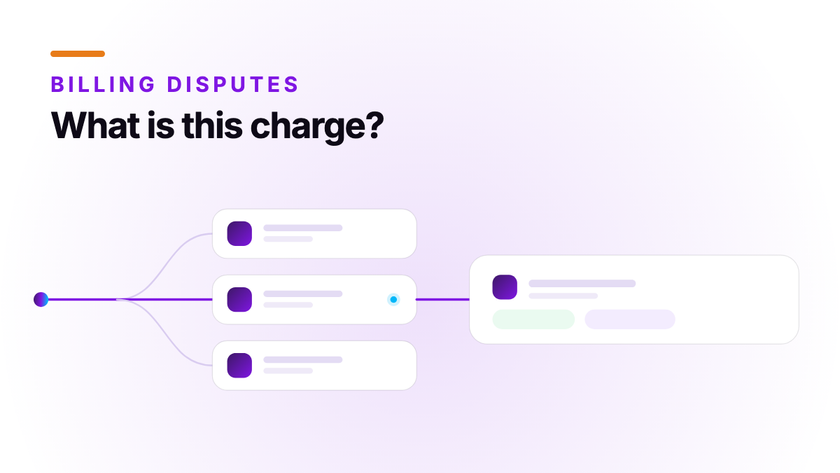
Today, a billing dispute sent by email or web form lands in a queue and waits for a human rep to work out which charge the customer is actually disputing. That first step is the bottleneck, and it happens before any policy is applied or any credit is decided.
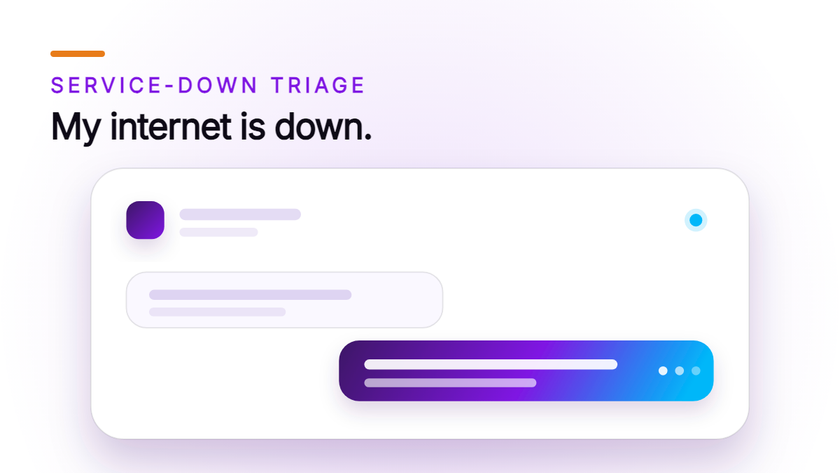
Service-down triage fails when the representative on the line cannot read outage, provisioning, and equipment status in a single view before the call ends, and a technician visit becomes the default outcome.
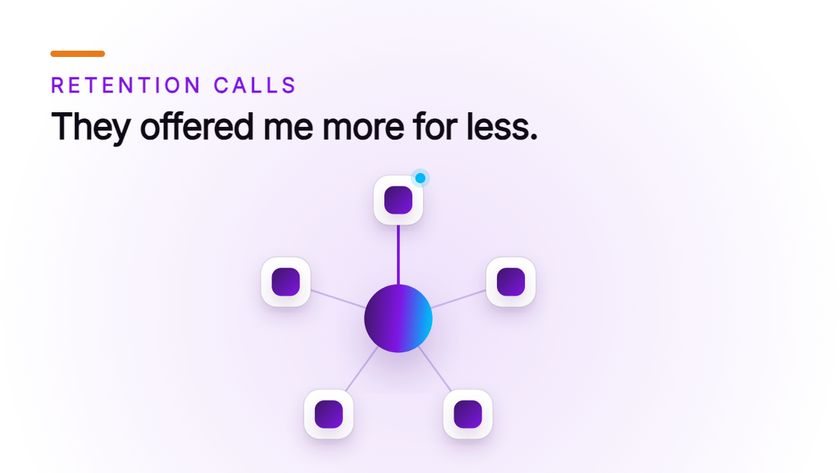
The retention floor hears every competitor offer first, and the task is to retain what it hears, organized by market and week.

Disposition codes fail to explain telecom churn drivers because they record what an agent reached for at the end of a call, not what the customer said during it.

Telecom disclosure compliance failures go undetected because the calls where errors are most likely, complex change orders handled by outsourced sales vendors, are also the calls least likely to reach a QA analyst.

Save rates vary because offer knowledge, account instincts, and call-moment judgment are unevenly distributed across the floor, and no training deck closes that gap mid-call.

Orvera AI starts on your most expensive queue. Orvera AI builds it, deploys it and runs it on the BSS, OSS and CRM stack already in place in 3 to 6 weeks.
Last updated